



















Quick Summary: LifeCare is an all-inclusive CCRC contract option that guarantees lifetime housing, residential amenities, and comprehensive healthcare services at predictable rates. By securing a Type A contract, independent living residents gain seamless access to assisted living, memory care, or skilled nursing without facing unexpected market rate spikes. Learn how choosing LifeCare protects your family from future caregiving stress and rising healthcare costs.
Planning for the future is one of the most important things a family can do. If you’ve started exploring your options for senior living, you’ve likely encountered the term CCRC, or Continuing Care Retirement Community. You may also have come across the concept of LifeCare, a type of contract offered by some CCRCs that bundles housing, amenities, and future healthcare needs into a single comprehensive plan.
For many people and families engaged in senior care planning, CCRCs and LifeCare can sound almost too good to be true. The idea of moving once, living well, and knowing that your care is covered no matter what happens. But what does it actually mean? And how do you know if it’s the right fit?
At The Farms at Bailey Station, we believe informed families make the best decisions. So let’s break it all down with the details you need.
What Is a CCRC?
A CCRC, or Continuing Care Retirement Community, is a type of senior living campus that offers multiple levels of care in one location. Rather than moving from place to place as your needs change over time, a CCRC is designed to support you through every stage of aging.
Depending on the community, this can include:
- Independent Living: For active adults who are largely self-sufficient but want the convenience, community, and lifestyle that a premium retirement community offers.
- Assisted Living: Supportive services for those who need help with daily activities, such as bathing, dressing, or medication management.
- Memory Support: Specialized care environments for individuals living with Alzheimer’s disease or other forms of dementia.
- Skilled Nursing Care: Around-the-clock medical care for those recovering from surgery, illness, or managing a chronic condition.
The defining characteristic of a CCRC is this: you don’t have to leave when your care needs evolve. You’re already home.
What Is LifeCare, and How Is It Different?
Not all CCRCs are created equal. The way care is contracted and priced can vary significantly from one community to the next. This is where LifeCare comes in.
LifeCare is a Type A contract and generally considered the most comprehensive (and financially protective) contract option available in senior living. Here’s how it works: when you move into a LifeCare community, you pay an entrance fee and a monthly fee. In return, if your care needs change—say, you eventually require assisted living, memory support, or skilled nursing—your monthly costs remain largely the same, or increase only minimally.
In other words, LifeCare protects you from the potentially catastrophic cost of long-term care. Rather than paying market rates for assisted living or skilled nursing (which can run thousands of dollars per month more than independent living), your care is already built into the agreement you made on day one.
Read more on the tax benefits of having a CCRC.
The Pros of a LifeCare CCRC
There are many pros of joining a LifeCare community. Here are a few of the highlights.
1. Financial Predictability
One of the most significant advantages of LifeCare is cost certainty. Long-term care in the United States is notoriously expensive and unpredictable. With a LifeCare contract, families can plan with confidence, knowing that a potential move to higher levels of care won’t mean a dramatic spike in monthly expenses.
2. Peace of Mind for the Whole Family
The emotional burden of senior care planning often falls on adult children and spouses. A LifeCare community alleviates the guesswork: if something changes, a plan is already in place. There’s no scramble to find a memory care unit across town, no rushed decisions during a medical crisis. Your care is already there, where you live.
3. A True Community
The best LifeCare retirement communities are vibrant places to live, not just places to receive care. At The Farms at Bailey Station, independent living residents enjoy resort-style amenities, exceptional dining, wellness programs, and an active social lifestyle. People move here because they want to, not because they have to.
4. Priority Access to Care
As a LifeCare resident, you typically have priority access to care on campus when you need it without joining a waitlist or looking elsewhere. That continuity of care, within a familiar environment and with familiar faces, can make a meaningful difference in outcomes and quality of life.
>>For additional benefits, read: CCRC Tax Benefits for Tennessee Seniors<<
5. A Social and Wellness-Focused Lifestyle
Research consistently shows that social connection and purpose are essential to healthy aging. A CCRC offers a built-in community of peers—neighbors who share meals, join fitness classes, attend events, and look out for one another. The lifestyle benefits alone make it a compelling choice, well before care ever becomes a factor.
The Cons and How to Think About Them
No decision is without trade-offs. Here’s an honest look at the considerations that come with choosing a LifeCare CCRC:
The Entrance Fee
LifeCare communities require an upfront entrance fee, which can be substantial. This is often partially or fully refundable, depending on the contract terms, but it’s an important financial consideration that requires planning. For many families, the value of what’s included (and the long-term cost protection) makes this a sound investment.
It Requires Moving Before a Crisis
To fully benefit from a LifeCare contract, residents typically need to be in good enough health to qualify and enter at the independent living level. That means the best time to consider a CCRC is often before a health event, not after. This can feel counterintuitive. Why plan for care now, when you feel fine? That’s precisely the point: proactive senior care planning is what gives you the most options.
It’s a Lifestyle Change
Transitioning to a retirement community—even a beautiful, resort-style one—is still a transition. Downsizing, leaving a longtime home, adjusting to a new routine: these are real emotional experiences. However, for most residents, that adjustment period is followed by genuine relief, renewed connection, and a higher quality of daily life.
When Do Senior Living Needs Typically Change?
One of the most important things for families to understand in senior care planning is that needs don’t change on a predictable schedule. A health event, such as a fall, a diagnosis, or a hospitalization, can quickly and without warning shift care requirements.
Common signals that a higher level of care may be needed include:
- Difficulty managing medications safely
- Increased isolation or signs of depression
- Struggles with household tasks, cooking, or personal hygiene
- A recent hospitalization or series of medical events
- Memory lapses that are impacting daily safety
- A family caregiver who is becoming overwhelmed
The value of a CCRC is that it removes the urgency from these moments. If you’re already a resident, the transition to additional support is seamless. This happens on campus, within the community you already know, and according to a plan you’ve already made.
Is a LifeCare CCRC Right for Your Family?
The right answer depends on your priorities, your financial picture, and your vision for the future. But for many families who have done their homework, the CCRC model, especially with a LifeCare contract, represents something rare: a genuinely comprehensive solution to one of life’s most complex challenges.
Ask yourself:
- Do you want the freedom to enjoy an active, engaged retirement without worrying about what comes next?
- Is financial predictability important to your long-term security?
- Would peace of mind—for yourself and your family—be worth a proactive decision made now?
- Are you looking for a community where you can truly belong, not just receive care?
If the answer is yes to any of these, a LifeCare retirement community is worth a serious look.
Discover LifeCare at The Farms at Bailey Station
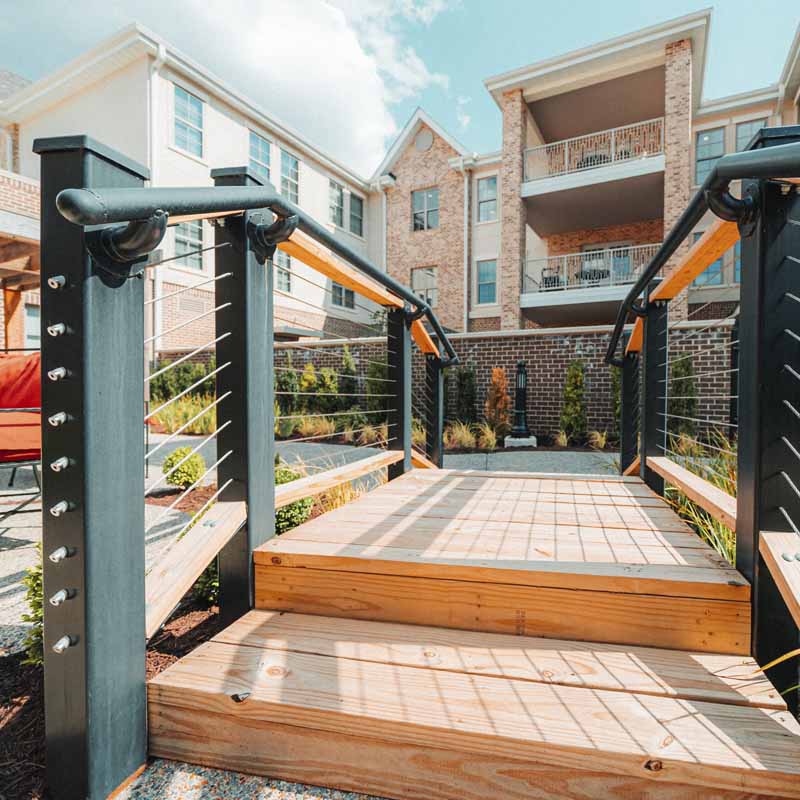
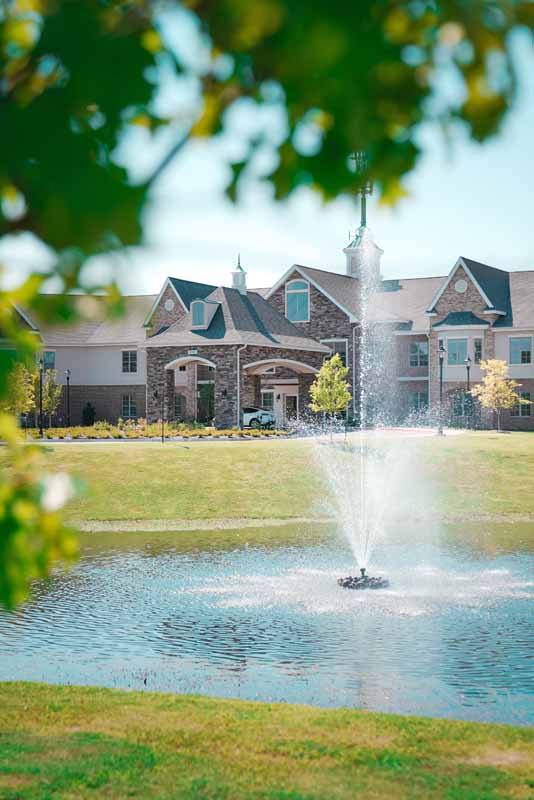
The Farms at Bailey Station is a premier CCRC in Collierville, Tennessee, offering a luxurious, maintenance-free lifestyle alongside the security of comprehensive LifeCare. From elegant garden homes and apartment residences to exceptional wellness amenities and a vibrant social community, this is senior living designed for the life you want to live.We’d love to help you explore whether The Farms is the right fit for your family. Schedule a tour today and see firsthand what LifeCare living looks like at The Farms at Bailey Station.